







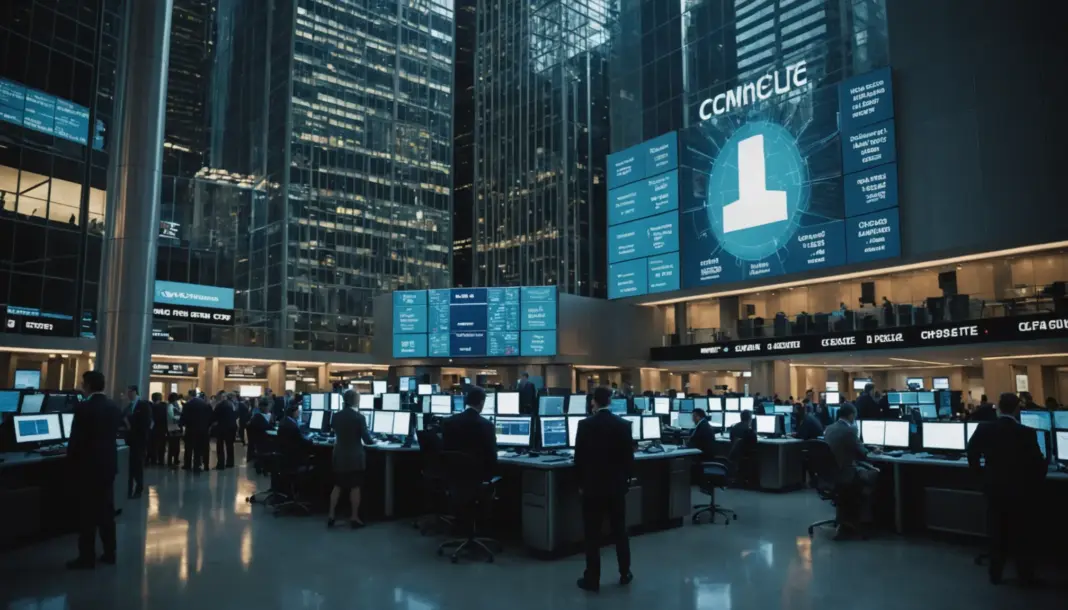

CME Group experienced a significant systems outage due to a cooling failure at its data center partner, CyrusOne, impacting major markets. The disruption occurred during a period of thin post-holiday liquidity, amplifying the impact on traders and market participants.
What to Know:
- CME Group experienced a significant systems outage due to a cooling failure at its data center partner, CyrusOne, impacting major markets.
- The disruption occurred during a period of thin post-holiday liquidity, amplifying the impact on traders and market participants.
- The incident raises questions about the resilience of critical market infrastructure, especially as CME expands into new asset classes like crypto.
The recent systems outage at CME Group, triggered by a cooling failure at a CyrusOne data center, serves as a stark reminder of the fragility of even the most established market infrastructures. The event, which halted trading across major futures, options, and FX markets, underscores the potential for technical glitches to disrupt global trading activity, particularly during periods of reduced liquidity. For institutional investors, this incident highlights the importance of robust risk management and diversification strategies, as well as the need for exchanges to prioritize operational resilience as they integrate new technologies and asset classes.
Cooling Failure Shuts Down Key Platforms
The cooling malfunction at CyrusOne directly impacted CME Group’s Globex, EBS, and BMD platforms, effectively freezing trading in a wide range of financial instruments. The exchange issued alerts and worked to restore services, but the disruption left traders unable to access real-time pricing or execute orders. This type of widespread outage is not unprecedented, but it highlights the centralized nature of traditional market infrastructure and the potential for single points of failure. As CME expands its offerings, including new crypto futures products, maintaining system integrity becomes even more critical to ensure market confidence.
Liquidity Crunch Amplifies Impact
The timing of the outage, occurring during the post-Thanksgiving holiday period, exacerbated its impact on global markets. With liquidity already thin, the sudden halt in trading activity amplified volatility and created challenges for traders looking to hedge positions or manage risk. This situation is reminiscent of past market events where unexpected shocks during low-liquidity periods have led to outsized price swings and increased uncertainty. Institutional investors must be prepared for such scenarios by implementing strategies that account for potential liquidity crunches and system disruptions.
Tech Investments and Diversification
Ironically, the outage occurred after CME Group had announced technology partnerships aimed at bolstering operational resilience. Their collaboration with Google Cloud to explore cloud-based efficiency tools, including tokenization and distributed ledger technologies, suggests a forward-looking approach to infrastructure modernization. However, the CyrusOne incident demonstrates that even with these investments, vulnerabilities can persist in legacy systems. As CME continues to diversify its product offerings, including the planned launch of XRP and Solana futures, it must ensure that its underlying technology can support these new asset classes without compromising stability.
Regulatory Scrutiny and Market Structure
The CME outage is likely to draw increased scrutiny from regulators who are already focused on the operational risks associated with digital asset trading. As institutional participation in crypto markets grows, regulators will demand greater transparency and accountability from exchanges and other market participants. This could lead to stricter requirements for system redundancy, disaster recovery, and cybersecurity. The incident also raises broader questions about the market structure for digital assets and the need for more decentralized and resilient trading platforms. The ability to maintain continuous trading and settlement during times of stress is essential for fostering institutional confidence in these emerging markets.
Lessons from the Freeze
The CME Group outage serves as a crucial lesson for institutional investors navigating the complexities of modern financial markets. While technology offers numerous benefits, it also introduces new risks that must be carefully managed. Exchanges must prioritize operational resilience and invest in robust infrastructure to prevent future disruptions. Traders and portfolio managers need to develop strategies that account for potential liquidity crunches and system failures. By learning from this event, market participants can better prepare for the challenges and opportunities that lie ahead.
In conclusion, the recent CME Group outage underscores the importance of robust risk management and operational resilience in today’s interconnected financial markets. As exchanges like CME expand into new asset classes and adopt emerging technologies, they must prioritize system stability to maintain market confidence. For institutional investors, this incident highlights the need for diversification, liquidity management, and a thorough understanding of the underlying infrastructure that supports their trading activities.
Related: Crypto Scams Could Surge This Holiday
Source: Original article
Quick Summary
CME Group experienced a significant systems outage due to a cooling failure at its data center partner, CyrusOne, impacting major markets. The disruption occurred during a period of thin post-holiday liquidity, amplifying the impact on traders and market participants.
Source
Information sourced from official Ripple publications, institutional research, regulatory documentation and reputable crypto news outlets.
Author
Ripple Van Winkle is a cryptocurrency analyst and founder of XRP Right Now. He has been active in the crypto space for over 8 years and has generated more than 25 million views across YouTube covering XRP daily.
Editorial Note
Opinions are the author's alone and for informational purposes only. This publication does not provide investment advice.

