









RedotPay has launched a new service enabling users to convert crypto to Nigerian Naira (NGN) directly into local bank accounts. The service leverages Ripple Payments and supports major cryptocurrencies, including USDC, USDT, BTC, ETH, SOL, TRX, XRP, and BNB.
What to Know:
- RedotPay has launched a new service enabling users to convert crypto to Nigerian Naira (NGN) directly into local bank accounts.
- The service leverages Ripple Payments and supports major cryptocurrencies, including USDC, USDT, BTC, ETH, SOL, TRX, XRP, and BNB.
- This development arrives amid a complex regulatory environment in Nigeria, which is both a leading crypto adopter and a jurisdiction with heightened regulatory scrutiny.
RedotPay, a fintech firm, has unveiled a new feature called “Send Crypto, Receive NGN,” in collaboration with Ripple, allowing users to convert digital assets into Nigerian naira and receive the funds in their local bank accounts swiftly. This launch brings crypto-to-fiat conversion directly to Nigerian users, potentially streamlining remittance processes and day-to-day transactions. The development occurs against the backdrop of evolving regulatory attitudes toward digital assets in Nigeria. For institutional investors, this move highlights the growing intersection of traditional finance and crypto in emerging markets.
The new service is powered by Ripple Payments and supports a range of major tokens, including USDC, USDT, Bitcoin, Ether, Solana, Tron, XRP, and BNB. Ripple USD (RLUSD) is expected to be added later. This broad selection of supported assets gives users flexibility in choosing which cryptocurrencies to convert. The near-instant settlement into local bank accounts is a significant value proposition, addressing a key pain point in crypto adoption: the often slow and cumbersome process of converting digital assets into usable fiat currency.
RedotPay is building stablecoin-powered payments that make digital assets as easy to use as local currency, where users can send XRP or stablecoins securely and receive NGN within minutes,” RedotPay’s CEO Michael Gao said.
Nigeria ranks among the top countries globally in crypto adoption, underscoring the demand for such services. According to Chainalysis, Nigeria holds a high position in overall crypto adoption.
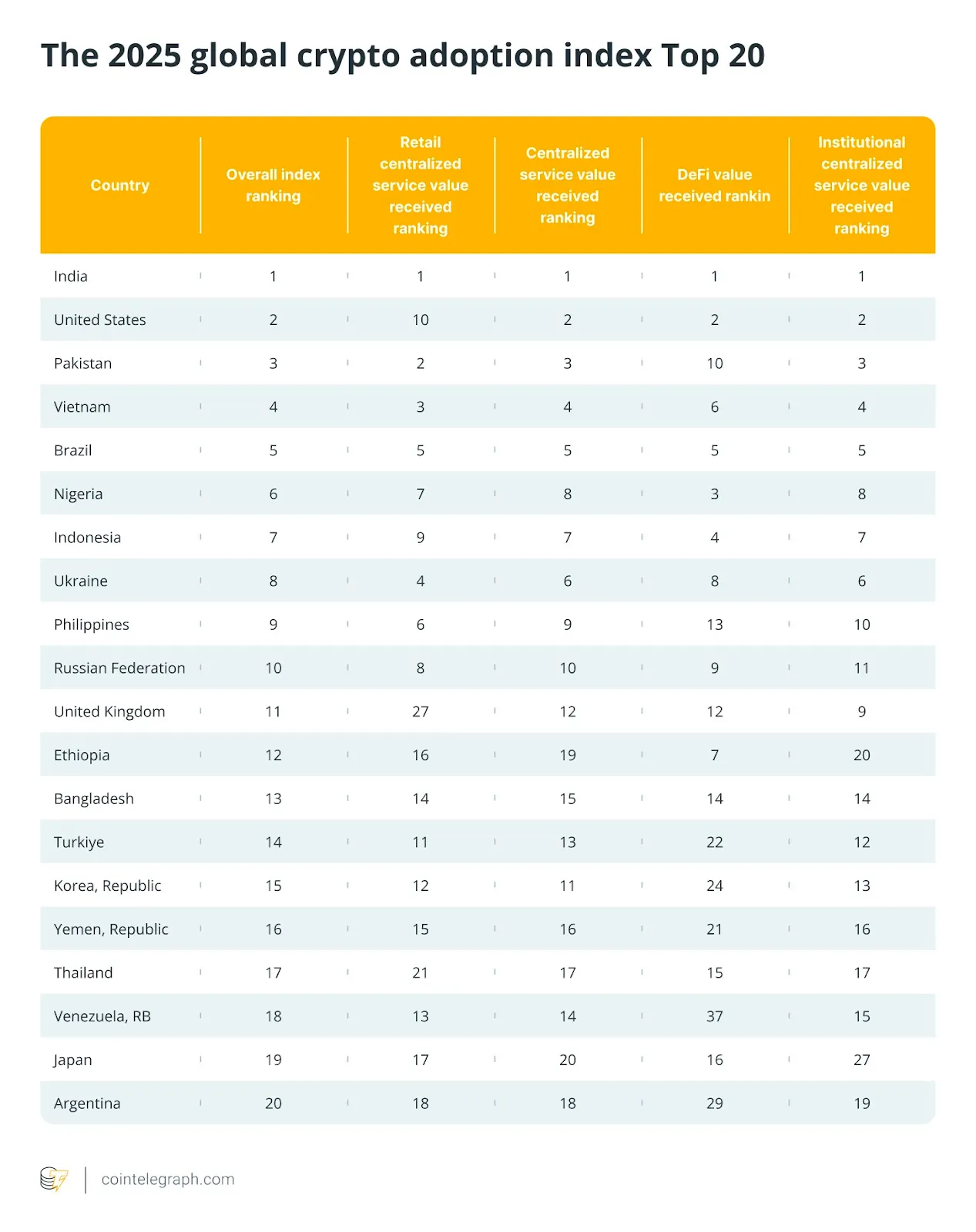
However, this high adoption rate exists alongside a complex and sometimes challenging regulatory landscape. In December 2024, the Nigerian Securities and Exchange Commission (SEC) overhauled its crypto regulations, tightening the rules around crypto marketing and advertising. This reflects a broader trend of regulators seeking to manage the risks associated with digital assets. The lawsuit against Binance earlier this year, alleging that the exchange impacted the local currency, underscores the regulatory scrutiny in the region.
Despite the regulatory hurdles, Nigerian authorities have also signaled a willingness to work with crypto businesses that comply with local regulations. In July, Nigeria’s SEC Director-General Emomotimi Agama stated that the country was open to stablecoin businesses adhering to local laws. This nuanced stance suggests a path forward for crypto firms that prioritize compliance and transparency. For institutional investors, this means navigating the regulatory landscape carefully and focusing on projects that demonstrate a commitment to regulatory standards.
RedotPay’s recent achievements, including securing a $47 million strategic investment round with participation from Coinbase Ventures, further underscore the company’s growth trajectory. This funding round not only validates RedotPay’s business model but also signals growing institutional interest in fintech firms operating in the crypto space. Ripple’s expansion of its payment services, including recent approval from Singapore’s central bank, adds another layer of credibility to this collaboration. The approval for Ripple’s RLUSD stablecoin for institutional use in Abu Dhabi also demonstrates the increasing acceptance of stablecoins in regulated financial environments.
The partnership between RedotPay and Ripple to facilitate crypto-to-NGN conversions represents a significant step toward bridging the gap between digital assets and traditional finance in Nigeria. By providing a seamless and efficient way for users to convert crypto into local currency, this service has the potential to drive further adoption and integration of digital assets into the Nigerian economy. However, the long-term success of this initiative will depend on navigating the evolving regulatory landscape and maintaining a strong focus on compliance.
In conclusion, the launch of RedotPay’s “Send Crypto, Receive NGN” service, powered by Ripple Payments, marks a notable development in Nigeria’s crypto ecosystem. This initiative aligns with the country’s high crypto adoption rates and addresses a critical need for seamless crypto-to-fiat conversions. While regulatory challenges persist, the collaboration between RedotPay and Ripple highlights the potential for innovative solutions to drive financial inclusion and economic growth in emerging markets.
Related: XRP Payments Expand to Africa’s Largest Market
Source: Original article
Quick Summary
RedotPay has launched a new service enabling users to convert crypto to Nigerian Naira (NGN) directly into local bank accounts. The service leverages Ripple Payments and supports major cryptocurrencies, including USDC, USDT, BTC, ETH, SOL, TRX, XRP, and BNB.
Source
Information sourced from official Ripple publications, institutional research, regulatory documentation and reputable crypto news outlets.
Author
Ripple Van Winkle is a cryptocurrency analyst and founder of XRP Right Now. He has been active in the crypto space for over 8 years and has generated more than 25 million views across YouTube covering XRP daily.
Editorial Note
Opinions are the author's alone and for informational purposes only. This publication does not provide investment advice.

