








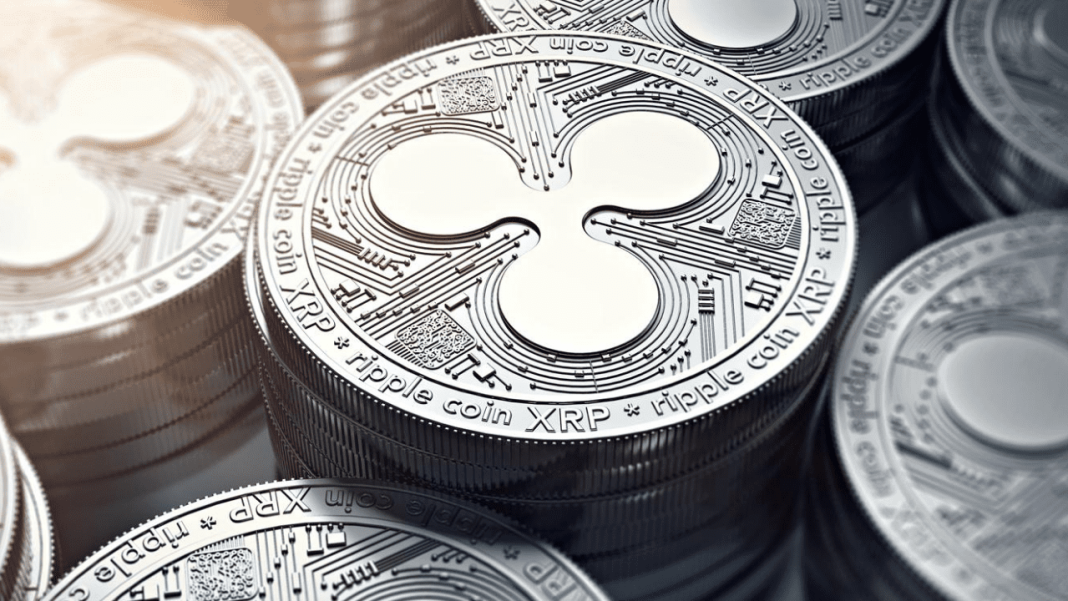

XRP and Ripple continue to navigate regulatory complexities while focusing on utility and global expansion. Recent acquisitions and licensing achievements position Ripple for increased institutional adoption.
What to Know:
- XRP and Ripple continue to navigate regulatory complexities while focusing on utility and global expansion.
- Recent acquisitions and licensing achievements position Ripple for increased institutional adoption.
- Industry experts anticipate growing institutional interest in crypto assets due to regulatory clarity and market maturity.
Ripple and its native token XRP remain a focal point for institutional investors navigating the digital asset landscape. Despite ongoing regulatory scrutiny, the company’s strategic focus on real-world utility, coupled with key acquisitions and licensing wins, suggests a maturing business model. As the market structure evolves and regulatory postures become clearer, Ripple’s approach offers a case study in building a sustainable crypto enterprise.
Ripple’s Valuation Amidst Regulatory Scrutiny
The recent commentary from John Deaton, a lawyer closely following the Ripple case, highlights the company’s resilience in the face of regulatory challenges. Deaton notes that Ripple has achieved a $40 billion valuation despite a protracted legal battle with the SEC. This valuation underscores the market’s recognition of Ripple’s potential, even as regulatory uncertainty persists. For institutional investors, this suggests a calculated risk profile, balancing potential upside with inherent legal risks.
Strategic Acquisitions and Global Expansion
Ripple’s growth strategy includes strategic acquisitions aimed at enhancing its cross-border payment capabilities. The acquisition of GTreasury, a deal valued at $1 billion, is a prime example. By integrating GTreasury’s technology, Ripple aims to address inefficiencies in traditional banking systems, such as trapped liquidity and slow settlement times. This move aligns with Ripple’s broader vision of providing utility-driven solutions for global financial institutions, potentially attracting further institutional interest and partnerships.
Licensing Portfolio and Regulatory Clarity
A key development for Ripple is the recent approval of a U.K. Electronic Money Institution license. This license significantly expands Ripple’s regulatory footprint, enabling it to offer regulated crypto infrastructure across the region. Such regulatory milestones are critical for fostering institutional confidence. As Ripple secures licenses in key jurisdictions, it demonstrates a commitment to compliance, which is a vital consideration for risk-averse institutional investors.
Utility-First Strategy and XRP’s Role
Ripple’s emphasis on real-world utility, particularly through XRP and its planned stablecoin RLUSD, signals a shift away from speculative market trends. This focus on utility aligns with the demands of institutional investors who prioritize sustainable business models and tangible applications of blockchain technology. By focusing on providing value through cross-border payments and other financial solutions, Ripple aims to solidify XRP’s role in the evolving digital asset ecosystem. This strategic direction is likely to resonate with institutions seeking long-term value rather than short-term gains.
Anticipating Institutional Adoption
Industry experts, including Ripple’s executive Reece Merrick, predict increased institutional adoption of crypto assets in 2026. This expectation is driven by factors such as evolving regulations and supportive legislation like the GENIUS Act. As regulatory frameworks become clearer, institutions are more likely to allocate capital to crypto assets, viewing them as a legitimate asset class. Ripple, with its focus on compliance and utility, is well-positioned to capitalize on this trend, potentially attracting significant institutional investment. This mirrors previous market cycles where regulatory clarity catalyzed substantial institutional inflows into emerging asset classes.
In conclusion, Ripple’s ability to navigate regulatory challenges, coupled with its strategic acquisitions, licensing achievements, and focus on real-world utility, paints a picture of a maturing crypto enterprise. As institutional interest in digital assets grows, Ripple’s approach positions it as a key player in the evolving financial landscape, offering both opportunities and calculated risks for institutional investors.
Related: XRP Forecast: Analyst Targets Bottom Before Explosive Run
Source: Original article
Quick Summary
XRP and Ripple continue to navigate regulatory complexities while focusing on utility and global expansion. Recent acquisitions and licensing achievements position Ripple for increased institutional adoption. Industry experts anticipate growing institutional interest in crypto assets due to regulatory clarity and market maturity.
Source
Information sourced from official Ripple publications, institutional research, regulatory documentation and reputable crypto news outlets.
Author
Ripple Van Winkle is a cryptocurrency analyst and founder of XRP Right Now. He has been active in the crypto space for over 8 years and has generated more than 25 million views across YouTube covering XRP daily.
Editorial Note
Opinions are the author's alone and for informational purposes only. This publication does not provide investment advice.

