










Ripple CEO Brad Garlinghouse has voiced support for Senator Tim Scott’s market structure proposal, emphasizing the need for regulatory clarity in the crypto space.
What to Know:
- Ripple CEO Brad Garlinghouse has voiced support for Senator Tim Scott’s market structure proposal, emphasizing the need for regulatory clarity in the crypto space.
- The Senate Banking Committee has postponed the markup of the market structure bill due to disagreements and a revolt from Coinbase, highlighting the challenges in achieving consensus.
- Despite setbacks, Ripple remains engaged in negotiations, signaling the company’s commitment to shaping future crypto regulations.
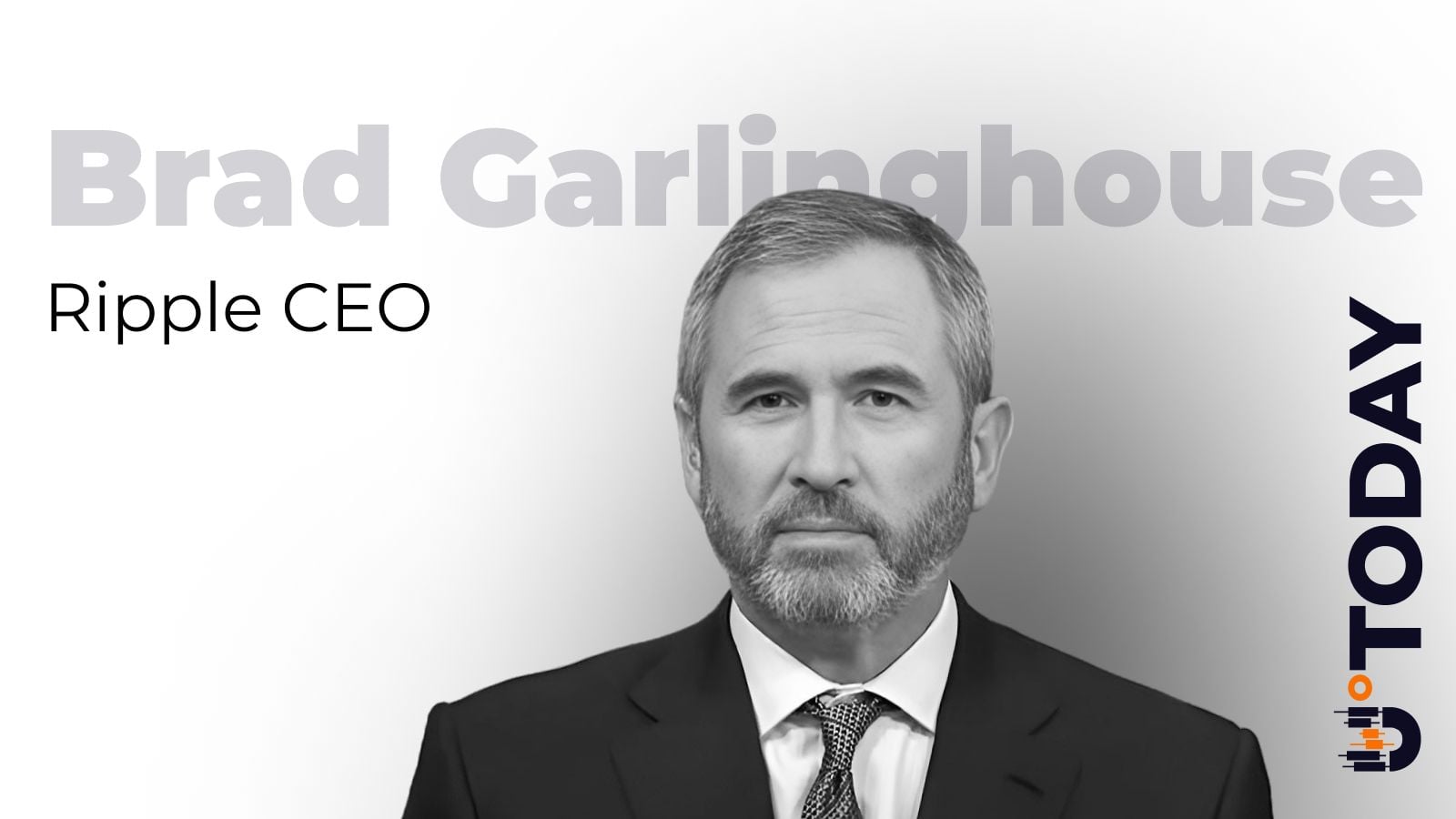
The regulatory landscape for digital assets in the United States remains uncertain, and Ripple CEO Brad Garlinghouse’s endorsement of Senator Tim Scott’s market structure proposal arrives at a crucial juncture. Ripple, having navigated years of regulatory ambiguity, understands the critical need for clear guidelines. Garlinghouse’s support underscores the importance of proactive engagement in shaping the future regulatory environment, particularly for institutions seeking to enter the digital asset space.
Ripple’s Stance on Regulatory Clarity
Brad Garlinghouse has publicly supported Senator Tim Scott’s market structure proposal, citing Ripple’s direct experience with regulatory uncertainty. Garlinghouse stated that “clarity beats chaos,” emphasizing the bill’s potential to provide workable frameworks for crypto while protecting consumers. This endorsement reflects a strategic alignment with legislative efforts that promise to bring much-needed definition to the regulatory landscape, reducing risks for institutional investors.
Senate Banking Committee’s Delay
The Senate Banking Committee’s decision to scrap the scheduled markup of the market structure bill signals deep divisions and challenges in achieving a consensus. This delay, triggered by a revolt from Coinbase and a flurry of amendments, highlights the significant gaps between various stakeholders, including anti-stablecoin banking lobbies and the crypto industry. Such discord can prolong uncertainty, potentially impacting market sentiment and institutional investment decisions.
Coinbase’s Opposition
Coinbase’s public opposition to the market structure bill underscores the intense debates and disagreements within the crypto industry regarding regulatory approaches. Brian Armstrong’s revolt suggests that some industry players believe the proposed frameworks could be detrimental to innovation or create undue burdens. This internal conflict further complicates the path toward regulatory clarity and consensus.
Implications for Market Structure
The inability to proceed with the markup reflects broader challenges in establishing a cohesive market structure for digital assets. The significant number of amendments proposed—137 in total—indicates that lawmakers are struggling to balance innovation with consumer protection and financial stability. This impasse could delay the entry of institutional capital, which often requires a well-defined regulatory environment to operate confidently.
Ripple’s Continued Engagement
Despite the setbacks, Ripple’s commitment to remaining “at the table” during negotiations signals the company’s proactive approach to shaping future regulations. This continued engagement suggests that Ripple is willing to work through the complexities and advocate for frameworks that support both innovation and compliance. Such efforts are crucial for fostering a regulatory environment that encourages institutional participation and market growth.
Historical Parallels and Future Outlook
The current situation mirrors previous instances where regulatory uncertainty dampened market enthusiasm, similar to the early days of ETF approvals and other nascent asset classes. The path forward likely involves closed-door negotiations and compromises to bridge the gaps between competing interests. The ultimate success of any regulatory framework will depend on its ability to foster innovation while safeguarding against systemic risks, a delicate balance that requires careful consideration and collaboration.
In conclusion, while the delay in the Senate Banking Committee’s markup introduces further uncertainty, Ripple’s commitment to engaging in the regulatory process highlights the industry’s proactive efforts to shape its future. The resolution of these issues will be critical in establishing a stable and attractive environment for institutional investors seeking exposure to digital assets.
Related: Crypto Liquidity Signals Bitcoin ETF Flows
Source: Original article
Quick Summary
Ripple CEO Brad Garlinghouse has voiced support for Senator Tim Scott’s market structure proposal, emphasizing the need for regulatory clarity in the crypto space. The Senate Banking Committee has postponed the markup of the market structure bill due to disagreements and a revolt from Coinbase, highlighting the challenges in achieving consensus.
Source
Information sourced from official Ripple publications, institutional research, regulatory documentation and reputable crypto news outlets.
Author
Ripple Van Winkle is a cryptocurrency analyst and founder of XRP Right Now. He has been active in the crypto space for over 8 years and has generated more than 25 million views across YouTube covering XRP daily.
Editorial Note
Opinions are the author's alone and for informational purposes only. This publication does not provide investment advice.

