








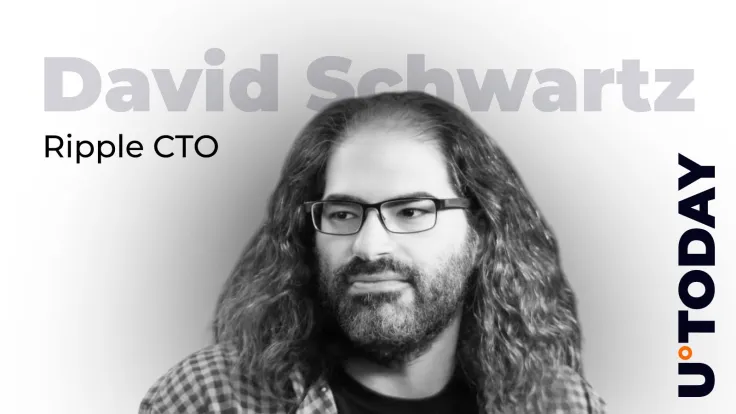
Ripple CTO Emeritus David Schwartz clarified that XRP, unlike issued assets on the XRPL, cannot be clawed back due to its design without an issuer.
What to Know:
- Ripple CTO Emeritus David Schwartz clarified that XRP, unlike issued assets on the XRPL, cannot be clawed back due to its design without an issuer.
- The statement came in response to a security breach affecting the GTF and Apex communities, highlighting the importance of understanding asset custody and security within the XRP Ledger ecosystem.
- The absence of an issuer for XRP ensures censorship resistance but also means users bear full responsibility for securing their holdings against theft or loss.
XRP’s unique position within the digital asset landscape continues to draw attention from institutional investors navigating the complexities of custody, security, and regulatory compliance. Recent comments by Ripple CTO Emeritus David Schwartz underscore a fundamental aspect of XRP’s design: its lack of a central issuer and the implications for asset recovery following a security breach. This distinction is crucial for institutions evaluating XRP as part of a broader digital asset strategy, especially as regulatory frameworks evolve to address issues of consumer protection and market integrity.
XRP Ledger’s “Clawback” Feature
The XRP Ledger includes a “Clawback” feature, but it only applies to assets issued on the XRPL, not to native XRP. This feature allows issuers of tokens like stablecoins or wrapped assets to forcibly retrieve tokens from a user’s wallet under specific circumstances, such as fraud or regulatory compliance. The GTF and Apex communities recently experienced a security breach, prompting questions about using the Clawback feature to recover stolen funds.
Decentralization and Custodial Responsibility
Schwartz’s clarification emphasizes that XRP has no issuer, meaning no entity possesses the authority to execute a clawback. This design choice promotes censorship resistance, a core tenet of many digital assets. However, it also places the onus of security squarely on the user. For institutional investors, this highlights the need for robust custody solutions and risk management practices when dealing with XRP. The absence of a clawback mechanism necessitates a heightened focus on preventative security measures.
Issued Assets vs. Native Assets
Most tokens on the XRPL, such as stablecoins and wrapped assets, are “issued assets,” created by a specific wallet address. These assets require users to establish a “trustline” with the issuer to hold them. The issuer can enable the “clawback” setting, granting them the ability to retrieve tokens. XRP stands alone as the only asset on the ledger without an issuer, ensuring that no single entity can control or reverse transactions.
Implications for Institutional Adoption
The inability to claw back XRP has significant implications for institutional adoption. While censorship resistance is attractive, the lack of a safety net in cases of theft or fraud requires institutions to implement advanced security protocols. This includes multi-signature wallets, cold storage solutions, and vigilant monitoring of transaction activity. Institutions must also consider the regulatory landscape, as frameworks may evolve to address the risks associated with irreversible transactions.
Historical Parallels and Market Sentiment
The discussion around XRP’s clawback feature echoes similar debates surrounding other digital assets, particularly Bitcoin, which also lacks a central authority to reverse transactions. This characteristic is a double-edged sword, offering decentralization and autonomy while demanding heightened security awareness. As institutional interest in digital assets grows, understanding these nuances becomes critical for making informed investment decisions. The market’s reaction to such clarifications often reflects a balance between appreciating the benefits of decentralization and acknowledging the associated risks.
Regulatory Scrutiny and Future Outlook
Regulatory bodies worldwide are increasingly focused on consumer protection and market integrity within the digital asset space. The absence of a clawback mechanism for XRP could attract scrutiny from regulators concerned about investor recourse in cases of fraud or theft. However, the argument for censorship resistance and the potential for innovative security solutions may also resonate with policymakers seeking to strike a balance between regulation and innovation. The future regulatory posture toward XRP will likely depend on how effectively the industry addresses the security challenges associated with irreversible transactions.
In conclusion, David Schwartz’s reminder about XRP’s lack of an issuer and clawback mechanism highlights a fundamental aspect of its design that is both a strength and a challenge. For institutional investors, this distinction underscores the need for robust security measures and a thorough understanding of the risks and rewards associated with holding XRP. As the digital asset landscape evolves, these considerations will play a crucial role in shaping the future of institutional adoption and regulatory acceptance.
Related: XRP Signals Turn Positive Amid Crypto Hype
Source: Original article
Quick Summary
Ripple CTO Emeritus David Schwartz clarified that XRP, unlike issued assets on the XRPL, cannot be clawed back due to its design without an issuer.
Source
Information sourced from official Ripple publications, institutional research, regulatory documentation and reputable crypto news outlets.
Author
Ripple Van Winkle is a cryptocurrency analyst and founder of XRP Right Now. He has been active in the crypto space for over 8 years and has generated more than 25 million views across YouTube covering XRP daily.
Editorial Note
Opinions are the author's alone and for informational purposes only. This publication does not provide investment advice.

