








Shiba Inu (SHIB) saw a significant increase in exchange inflows, with 152 billion SHIB tokens deposited in 24 hours, potentially signaling increased selling pressure.
What to Know:
- Shiba Inu (SHIB) saw a significant increase in exchange inflows, with 152 billion SHIB tokens deposited in 24 hours, potentially signaling increased selling pressure.
- Technical analysis reveals a bearish structure for SHIB, with declining moving averages and difficulty sustaining recovery attempts, although a short-term rising trendline suggests buyers are trying to establish a base.
- Inconsistent market behavior, including elevated exchange outflows alongside inflows, suggests uncertainty among market participants rather than a clear directional consensus.
Shiba Inu (SHIB), the popular meme token, is once again under the microscope as on-chain data reveals a notable shift in its market dynamics. A substantial increase in exchange inflows has sparked concerns about potential sell-offs, placing SHIB at a critical juncture. This development is particularly relevant for institutional investors monitoring the asset’s liquidity and market stability amidst a complex regulatory landscape.
Exchange Inflows and Potential Sell Pressure
The recent surge of 152 billion SHIB tokens into trading platforms within a single day is a red flag for many institutional investors. Historically, large exchange inflows often precede significant sell pressure, as holders move their assets to exchanges to liquidate their positions. This influx of tokens can create an overhang in the market, suppressing price appreciation and increasing volatility. Monitoring these flows is crucial for understanding the immediate supply-demand dynamics affecting SHIB.
Technical Analysis and Market Structure
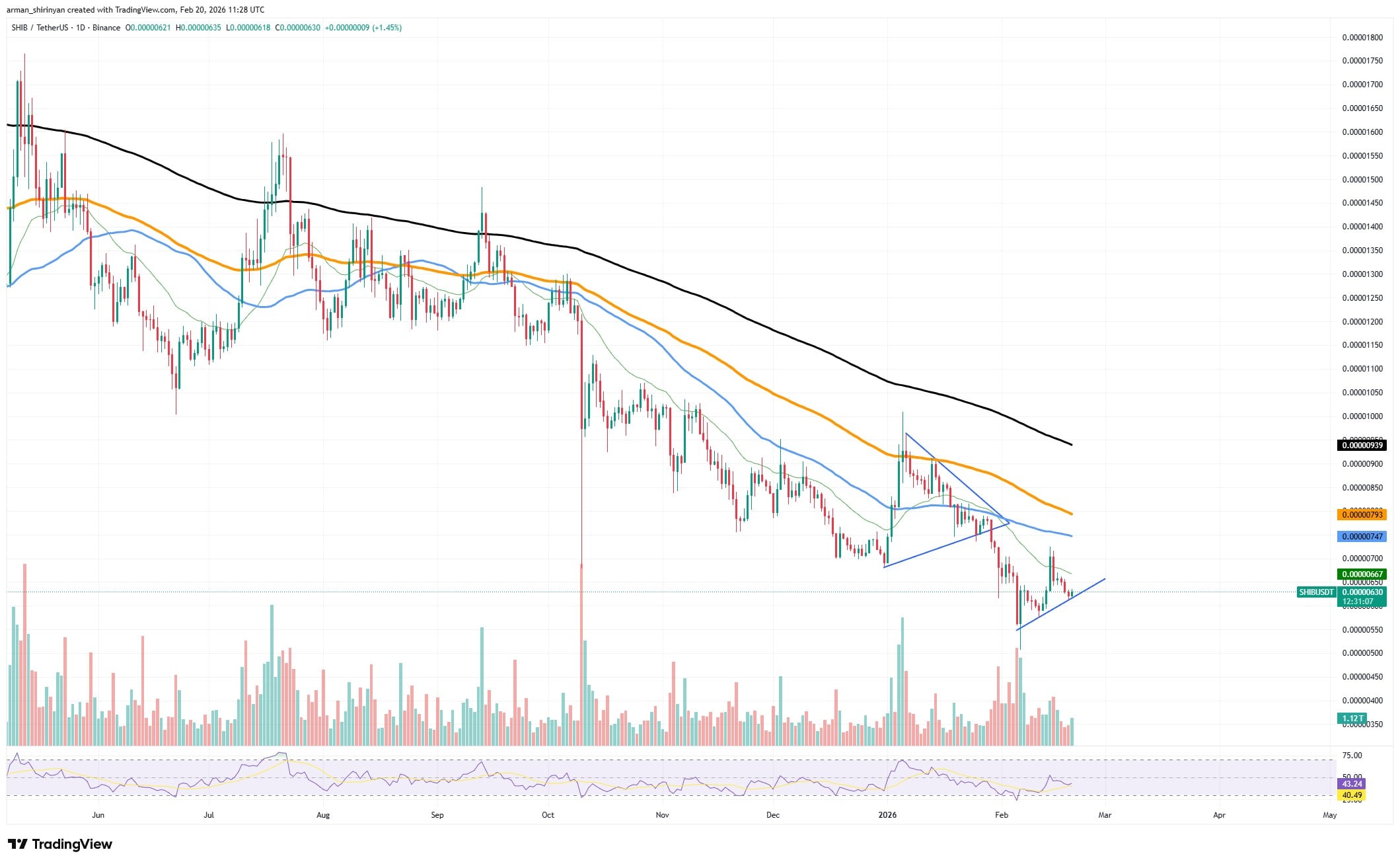
From a technical perspective, SHIB’s price chart paints a concerning picture. Declining moving averages and repeated failures to maintain recovery rallies indicate an ongoing bearish trend. While a short-term rising trendline suggests some buying interest, the overall structure remains fragile. The inability to breach significant resistance levels reinforces the view that any bullish attempts are currently swimming against the tide. This technical backdrop is essential for institutional traders assessing potential entry and exit points.
Conflicting Signals: Inflows vs. Outflows
Despite the overwhelming inflows, there are nuances to consider. Elevated exchange outflows and withdrawal activity suggest that some market participants are still accumulating or repositioning their holdings. This divergence indicates a lack of clear consensus, with some investors viewing the current levels as an opportunity while others are looking to reduce their exposure. Such conflicting behavior can lead to choppy price action and increased uncertainty, requiring a more granular analysis of on-chain metrics.
Rising Trendline and Stabilization Phase
The sustainability of the newly formed rising trendline is a key factor to watch. If SHIB can maintain its position above this trendline and progressively establish higher lows, it could signal the beginning of a stabilization phase. However, failure to hold this support level could lead to a low-volatility grind, which has historically dampened speculative demand for assets like SHIB. Institutional investors should closely monitor these technical levels to gauge the potential for a trend reversal or continuation.
Volume and Sustained Buying Interest
Ultimately, the fate of SHIB’s short-term recovery hinges on sustained volume and consistent buying interest. Without significant buying pressure, another wave of exchange deposits could easily overwhelm the current structure, turning the attempted recovery into another failed endeavor. Monitoring trading volumes and order book depth will provide valuable insights into the strength of the underlying demand. This is particularly important for institutional desks managing large positions, as they need sufficient liquidity to execute trades without significantly impacting the price.
The recent increase in exchange inflows for Shiba Inu presents a mixed bag of signals. While the potential for increased selling pressure looms large, the presence of offsetting outflows and a nascent rising trendline offer a glimmer of hope. Institutional investors must carefully weigh these factors, combining technical analysis with on-chain data to navigate the uncertain waters surrounding SHIB. A watchful eye on volume and sustained buying interest will be crucial in determining whether this meme token can defy the bearish odds and embark on a meaningful recovery.
Related: Bitcoin Options Show Lingering Panic Premium
Source: Original article
Quick Summary
Shiba Inu (SHIB) saw a significant increase in exchange inflows, with 152 billion SHIB tokens deposited in 24 hours, potentially signaling increased selling pressure.
Source
Information sourced from official Ripple publications, institutional research, regulatory documentation and reputable crypto news outlets.
Author
Ripple Van Winkle is a cryptocurrency analyst and founder of XRP Right Now. He has been active in the crypto space for over 8 years and has generated more than 25 million views across YouTube covering XRP daily.
Editorial Note
Opinions are the author's alone and for informational purposes only. This publication does not provide investment advice.

