








Bitcoin is a cryptocurrency and worldwide payment system. It is the first decentralized digital currency, as the system works without a central bank or single administrator. The network is peer-to-peer and transactions take place between users directly, without an intermediary.
Bitcoin is a cryptocurrency and worldwide payment system. It is the first decentralized digital currency, as the system works without a central bank or single administrator. The network is peer-to-peer and transactions take place between users directly, without an intermediary. These transactions are verified by network nodes through the use of cryptography and recorded in a public distributed ledger called a blockchain.
Bitcoins are created as a reward for a process known as mining. They can be exchanged for other currencies, products, and services. As of February 2015, over 100,000 merchants and vendors accepted bitcoin as payment.
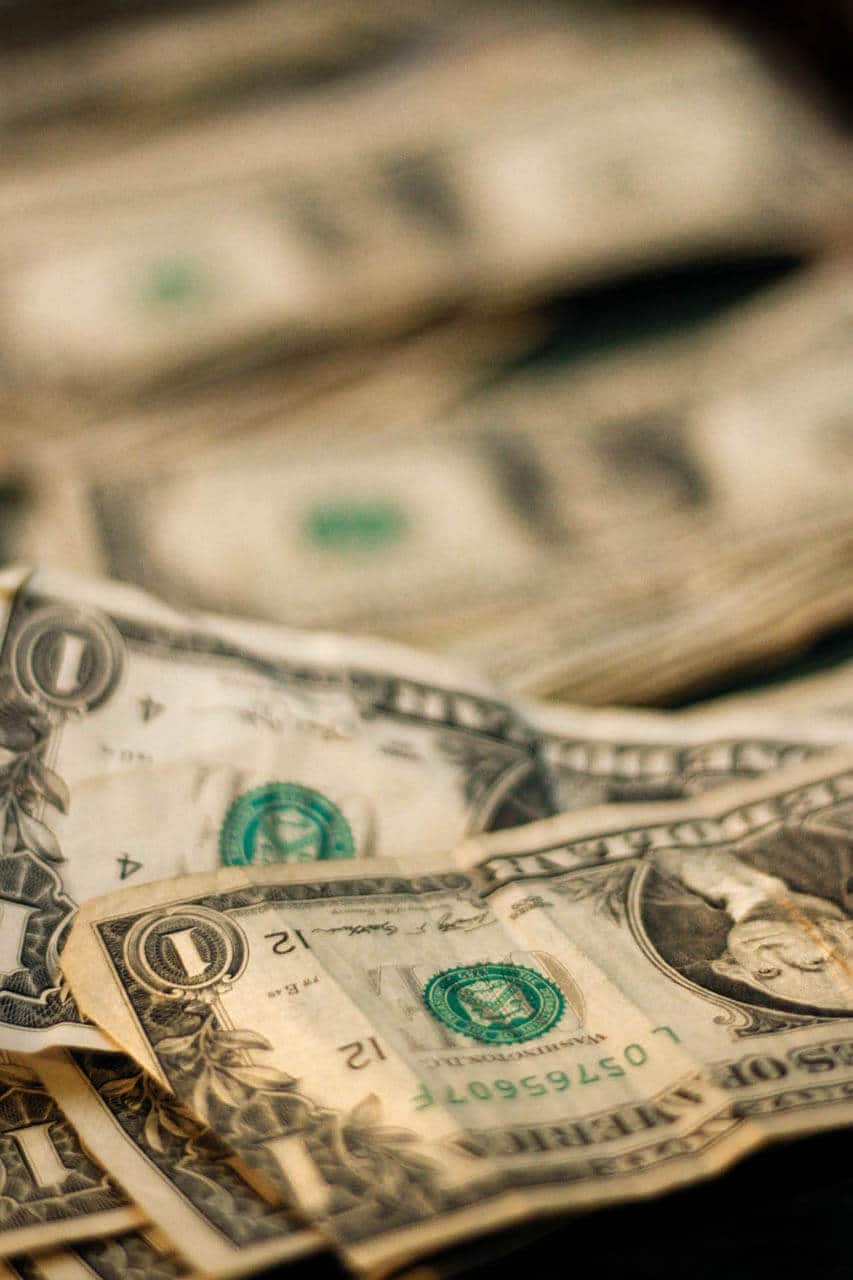 Research produced by the University of Cambridge estimates that in 2017, there are 2.9 to 5.8 million unique users using a crypto currency wallet, most of them using bitcoin. The word bitcoin first occurred and was defined in the white paper that was published on 31 October 2008.
It is a compound of the words bit and coin. The white paper frequently uses the shorter coin. There is no uniform convention for bitcoin capitalization.
On 18 August 2008, the domain name “bitcoin.org” was registered. In November that year, a link to a paper authored by Satoshi Nakamoto titled Bitcoin.A Peer-to-Peer Electronic Cash System was posted.
Nakamoto implemented the bitcoin software as open source code and released it in January 2009 on SourceForge. The identity of Nakamoto remains unknown. In January 2009, the bitcoin network came into existence after Satoshi Nakamoto mined the first ever block on the chain, known as the genesis block. Embedded in the coinbase of this block was the following text:
The Times 03/Jan/2009 Chancellor on brink of second bailout for banks
This note has been interpreted as both a timestamp of the genesis date and a derisive comment on the instability caused by fractional-reserve banking.
One of the first supporters, adopters, and contributors to bitcoin was the receiver of the first bitcoin transaction, programmer Hal Finney. Finney downloaded the bitcoin software the day it was released, and received 10 bitcoins from Nakamoto in the world’s first bitcoin transaction. Other early supporters were Wei Dai, creator of bitcoin predecessor b-money, and Nick Szabo, creator of bitcoin predecessor bit gold.

In the early days, Nakamoto is estimated to have mined 1 million bitcoins. In 2010, Nakamoto handed the network alert key and control of the Bitcoin Core code repository over to Gavin Andresen, who later became lead developer at the Bitcoin Foundation. Nakamoto subsequently disappeared from any involvement in bitcoin. Andresen stated he then sought to decentralize control, saying:
“So, if I get hit by a bus, it would be clear that the project would go on”
This left opportunity for controversy to develop over the future development path of bitcoin. The value of the first bitcoin transactions were negotiated by individuals on the bitcointalk forums with one notable transaction of 10,000 BTC used to indirectly purchase two pizzas delivered by Papa John’s.
Quick Summary
Bitcoin is a cryptocurrency and worldwide payment system. It is the first decentralized digital currency, as the system works without a central bank or single administrator. The network is peer-to-peer and transactions take place between users directly, without an intermediary.
Source
Information sourced from official Ripple publications, institutional research, regulatory documentation and reputable crypto news outlets.
Author
Ripple Van Winkle is a cryptocurrency analyst and founder of XRP Right Now. He has been active in the crypto space for over 8 years and has generated more than 25 million views across YouTube covering XRP daily.
Editorial Note
Opinions are the author's alone and for informational purposes only. This publication does not provide investment advice.

