








XRP continues to gain momentum as a key player in financial infrastructure, thanks to its growing use in real-world payment solutions.
XRP continues to gain momentum as a key player in financial infrastructure, thanks to its growing use in real-world payment solutions. Among the most notable developments is the recent adoption of the XRP Ledger (XRPL) payment system by major enterprise resource planning platform RxERP, signaling a critical step forward in blockchain-based business operations.
How the XRPL Payment Integration Works
The XRPL payment feature allows users of RxERP to conduct secure and instantaneous transactions using XRP. This integration supports both B2B settlements and supplier payments natively on-chain, streamlining the process companies use for vendor management and internal payments. Businesses using RxERP can now initiate, track, and audit these blockchain-based transactions within their existing ERP ecosystem, minimizing delays and improving transparency.
This seamless alignment between enterprise software and blockchain offers unprecedented efficiency for accounting departments and procurement teams. Unlike traditional banking processes that can take days, the XRPL facilitates near-instant transfers with minimal fees. By incorporating XRP’s native functionality, RxERP positions itself as a forward-looking platform that understands the importance of speed and cost-effectiveness in modern finance.
Compliance Features Embedded in Enterprise Systems
What sets this integration apart is its emphasis on regulatory readiness. RxERP includes compliance reporting tools that help organizations meet Know Your Customer (KYC) and Anti-Money Laundering (AML) requirements. These are built directly into the workflows, allowing businesses to remain aligned with financial regulations while exploring web3-based finance alternatives.
Furthermore, the system offers real-time reconciliation and automatic audit trails for every XRP transaction processed via the XRPL. This reduces the administrative overhead typically seen in legacy financial systems and offers a complete ledger of financial movements that auditors can verify without additional effort.
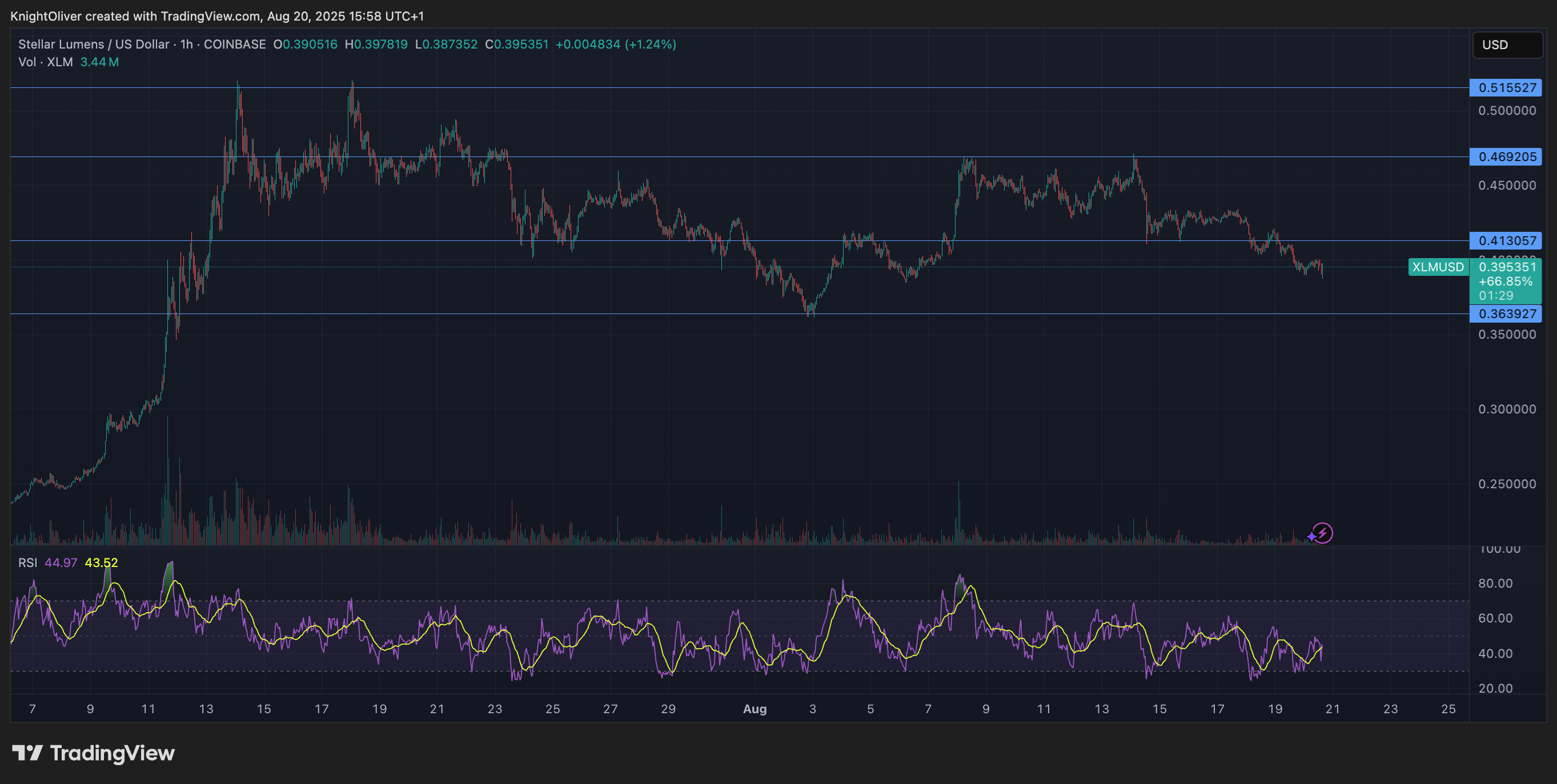
Chart highlighting XRP/XRPL transaction volume trends during enterprise ERP integration.
Ripple’s Broader Market Footprint
This move reflects Ripple’s overarching goal to transform global payments through the XRP Ledger. As businesses increasingly seek faster and more cost-efficient alternatives to the SWIFT network and traditional interbank transfers, Ripple’s proactive positioning with products like On-Demand Liquidity (ODL) enhances the use case for XRP in large-scale payments.
Despite broader market uncertainties, Ripple continues to secure strategic partnerships that expand XRP adoption. With central banks and regulated institutions exploring blockchain rails for inter-currency settlements, Ripple’s enterprise focus differentiates it from other crypto projects that primarily rely on retail user speculation.
Institutional Participation and Volume Trends
Backing this growing interest is a surge in trading volume signaling possible institutional movement. At one point during the integration reporting window, over 45 million XRP were transacted in a short time frame, according to on-chain data. This bump corresponds with a broader pattern of increasing activity on XRPL whereby large-scale participants are testing operational readiness for production deployment.
Related: XRP Price: $12M Max Pain for Bears
- Key support and resistance levels show bullish trends for XRP in institutional flow contexts.
- Surges in trade volume are likely tied to settlement testing and production onboarding.
- Adoption by platforms like RxERP reinforces XRP’s use case as a solid B2B liquidity mechanism.
- Ledger stability and smart contract capabilities offer dependable infrastructure for enterprise payments.
To learn more about how Ripple aligns with ethical AI and editorial transparency, refer to our standards and CoinDesk’s AI policy.
Quick Summary
XRP continues to gain momentum as a key player in financial infrastructure, thanks to its growing use in real-world payment solutions. Among the most notable developments is the recent adoption of the XRP Ledger (XRPL) payment system by major enterprise resource planning platform RxERP, signaling a critical step forward in blockchain-based business operations.
Source
Information sourced from official Ripple publications, institutional research, regulatory documentation and reputable crypto news outlets.
Author
Ripple Van Winkle is a cryptocurrency analyst and founder of XRP Right Now. He has been active in the crypto space for over 8 years and has generated more than 25 million views across YouTube covering XRP daily.
Editorial Note
Opinions are the author's alone and for informational purposes only. This publication does not provide investment advice.

