








XRP gained significant praise from Cardano creator Charles Hoskinson following a private Senate roundtable aimed at shaping future crypto market regulations. The closed-door gathering, organized by the U.S.
XRP gained significant praise from Cardano creator Charles Hoskinson following a private Senate roundtable aimed at shaping future crypto market regulations. The closed-door gathering, organized by the U.S. Senate Banking Committee, occurred on September 17 in Washington, D.C., and included some of the crypto industry’s most prominent names.
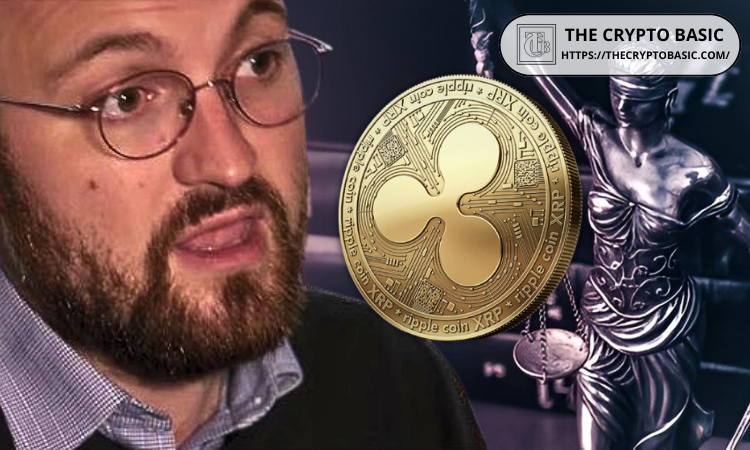
Charles Hoskinson emphasizes Ripple’s importance in U.S. crypto policy following Senate discussions.
Key Senate Roundtable Discusses Crypto Regulatory Framework
The exclusive meeting brought together influential figures from the crypto industry, including representatives from Ripple, Cardano, and other blockchain leaders. The focus was on designing a comprehensive structure to regulate the U.S. digital asset market effectively.
According to attendees, the discussion zeroed in on market integrity, investor protections, and the need for clearer regulations that support innovation while minimizing risk. Charles Hoskinson later took to social media to share his thoughts about the productive dialogue and to commend fellow participants such as Ripple.
Hoskinson Acknowledges Ripple’s Key Role
In a follow-up post after the session, Hoskinson praised Ripple and the broader crypto community for their mature and constructive approach during the meeting. Without diving into specific policy details, he emphasized the industry’s collective dedication to cooperating with lawmakers.
“It was inspiring to see Ripple and others working together toward common-sense regulation,” Hoskinson noted. His comments reflect the growing belief that collaboration between blockchain firms can shape a more favorable legislative landscape for digital assets.
The Growing Influence of Ripple in Washington
This is not the first time Ripple has been involved in high-stakes regulatory conversations. As one of the most established crypto firms in the U.S., Ripple has increasingly taken part in policymaking dialogues, particularly as it continues its legal battle with the SEC over whether XRP qualifies as a security.
Its involvement in the Senate roundtable underscores Ripple’s expanding role in informing government decisions on blockchain regulation. The company’s push for clear regulatory guidance aligns with broader efforts to attract institutional adoption of cryptocurrencies in the U.S.
Industry Unity Signals Maturing Crypto Landscape
This Senate roundtable marked a significant milestone for crypto governance, bringing together competing blockchain platforms like Cardano and Ripple in a collaborative setting. With regulators looking for detailed guidance, industry leaders are now stepping up to the plate to help shape the future of digital finance in America.
Related: XRP Price: $12M Max Pain for Bears
While the outcomes of the meeting remain undisclosed, the positive tone from Hoskinson and others signals a shift toward more inclusive discussions that value both regulation and innovation. As XRP and Cardano continue to evolve, this type of bipartisan engagement may prove critical to their long-term success and global legitimacy.
Quick Summary
XRP gained significant praise from Cardano creator Charles Hoskinson following a private Senate roundtable aimed at shaping future crypto market regulations. The closed-door gathering, organized by the U.S. Senate Banking Committee, occurred on September 17 in Washington, D.C., and included some of the crypto industry’s most prominent names.
Source
Information sourced from official Ripple publications, institutional research, regulatory documentation and reputable crypto news outlets.
Author
Ripple Van Winkle is a cryptocurrency analyst and founder of XRP Right Now. He has been active in the crypto space for over 8 years and has generated more than 25 million views across YouTube covering XRP daily.
Editorial Note
Opinions are the author's alone and for informational purposes only. This publication does not provide investment advice.

