







XRP is once again at the center of attention as ripple effects from tightened crypto regulations continue to unfold across the United States.
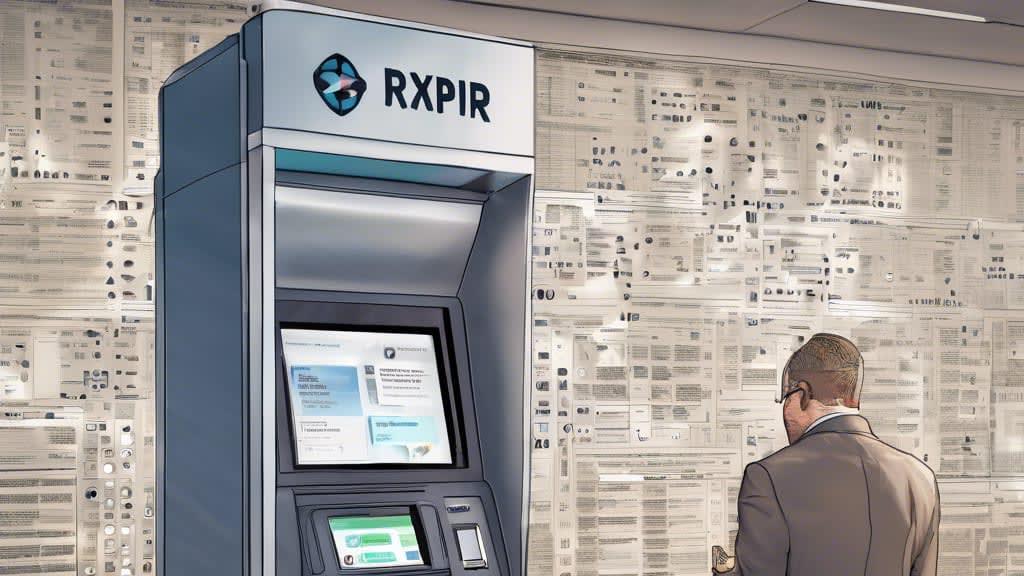
XRP is once again at the center of attention as ripple effects from tightened crypto regulations continue to unfold across the United States. Among the latest developments, cities nationwide are clamping down on cryptocurrency ATMs, restricting their usage or banning them entirely in efforts to combat financial crimes and better regulate digital assets.
Municipalities across multiple states are implementing new rules and heightened oversight targeting cryptocurrency ATMs. These kiosks, which once represented convenient access points to digital currencies like XRP, are now being scrutinized by lawmakers who see them as potential avenues for illicit financial activity.
Several local governments have either placed limits on or completely banned crypto ATM installations within their jurisdictions. The motivation behind these decisions often stems from concerns about AML (Anti-Money Laundering) compliance and the fear that decentralized financial platforms could be facilitating anonymous or untraceable transactions.
The increase in oversight has been triggered, in part, by reports indicating frequent misuse of crypto ATMs for criminal activities such as fraud and money laundering. These units often operate in convenience stores or busy public areas and have been known to accept cash without thorough user verification — an issue that regulators argue opens the door to illegal transactions.
In response to these mounting concerns, some cities have set daily or per-user transaction limits, while others have prohibited the setup of new kiosks entirely. The major worry among these regulators is the difficulty in tracing XRP and similar digital assets when exchanged through these ATMs. The lack of integrated Know Your Customer (KYC) protocols has become a focal point of criticism.
Retailers and ATM operators, however, argue that these machines serve legitimate users who prefer a decentralized approach to managing their funds. For XRP holders, the convenience of quickly converting fiat currency into digital tokens has been key to driving retail adoption. Many argue the crackdowns are overly aggressive and dismissive of the technology’s benefits.
Some industry participants feel the sweeping bans are a step backward for digital innovation. They advocate instead for clearer federal guidelines rather than a patchwork of local restrictions. Advocates believe a unified compliance framework would help crypto ATM operators implement standardized KYC and AML procedures without dismantling the infrastructure entirely.
Despite the pressure, several ATM providers are proactively adapting to the legal climate. Enhanced identity checks, camera verification, biometric scanning, and cash transaction caps are being implemented, offering regulators some reassurance while maintaining public access to cryptocurrency services, including the increasingly popular XRP.
The debate highlights the broader tension in the digital asset space, where the allure of decentralized finance frequently brushes up against government concerns regarding oversight, taxation, and national security. XRP, as a frontrunner among these digital solutions, continues to be a flashpoint in discussions about how cryptocurrency should be managed across different jurisdictions.
While these regulatory headwinds may temporarily slow XRP’s retail accessibility through ATMs, long-term adaptation seems more likely than extinction. As lawmakers explore stronger frameworks to govern digital assets more effectively, both technology providers and users remain hopeful that a workable compromise can be established.
Related: XRP Price: $12M Max Pain for Bears
Ultimately, the outlook for XRP and crypto ATMs alike rests on the ability of the industry to exhibit transparency, compliance readiness, and technological evolution — factors that will dictate whether access to decentralized assets thrives within regulatory boundaries or becomes buried beneath them.
Quick Summary
XRP is once again at the center of attention as ripple effects from tightened crypto regulations continue to unfold across the United States. Among the latest developments, cities nationwide are clamping down on cryptocurrency ATMs, restricting their usage or banning them entirely in efforts to combat financial crimes and better regulate digital assets.
Source
Information sourced from official Ripple publications, institutional research, regulatory documentation and reputable crypto news outlets.
Author
Ripple Van Winkle is a cryptocurrency analyst and founder of XRP Right Now. He has been active in the crypto space for over 8 years and has generated more than 25 million views across YouTube covering XRP daily.
Editorial Note
Opinions are the author's alone and for informational purposes only. This publication does not provide investment advice.

