








An analyst cites a Franklin Templeton whitepaper to suggest XRP could reach extremely high valuations. The argument draws parallels between blockchain protocols and early internet technologies, highlighting the unique ability of crypto to capture network value through native tokens.
What to Know:
- An analyst cites a Franklin Templeton whitepaper to suggest XRP could reach extremely high valuations.
- The argument draws parallels between blockchain protocols and early internet technologies, highlighting the unique ability of crypto to capture network value through native tokens.
- This perspective matters for XRP and Ripple because it frames XRP not just as a cryptocurrency but as a fundamental component of a global value transfer system, potentially attracting institutional interest.
An intriguing argument has emerged suggesting that XRP’s value could reach levels that are, in the words of one analyst, “incomprehensibly high.” This perspective, highlighted by crypto researcher SMQKE, draws upon a paper published by Franklin Templeton, a firm with growing interest in the digital asset space. The core thesis revolves around the idea that blockchain protocols, unlike earlier internet technologies, can directly capture and monetize the value they create, potentially leading to massive valuations for their native tokens like XRP.
Crypto as the Next Phase of the Internet
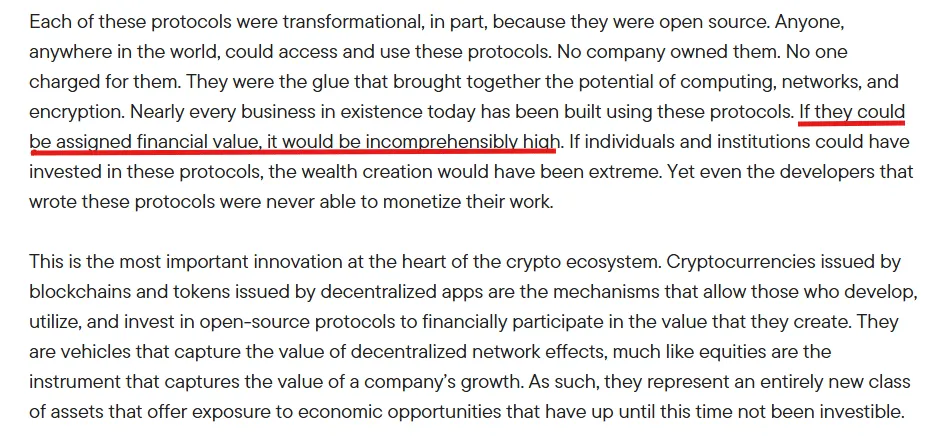
Franklin Templeton’s paper, authored by Sandy Kaul, challenges the traditional skepticism surrounding crypto assets. Kaul argues that many institutional investors still view crypto through the lens of its early, anti-establishment roots, failing to recognize its potential as a legitimate asset class. The paper draws a compelling comparison between blockchain protocols and foundational internet technologies like TCP/IP and HTTP. These earlier protocols revolutionized communication and commerce, but their creators had no direct mechanism to capture the economic value they enabled. Crypto, Kaul suggests, changes this paradigm.
The Tokenization of Value Transfer
The key difference lies in the ability of blockchain protocols to attach value to native tokens. This allows networks like Ripple, Stellar, and Hedera to directly benefit from their growth and usage, similar to how a company’s stock price reflects its performance. SMQKE emphasizes that this represents a fundamental shift: for the first time, the core value-transfer layer of the internet can have an embedded financial asset. This is a crucial point for institutional investors who are constantly seeking new ways to capture value in the digital economy.
XRP’s Role in Global Value Transfer
Focusing specifically on XRP, SMQKE argues that its role as the native currency of the Ripple protocol positions it as a critical component of a global system designed to facilitate efficient cross-border payments. He suggests that viewing XRP solely as a cryptocurrency, and assigning it a modest price target, fails to grasp the scale of the underlying system it supports. The argument is that XRP’s value is intrinsically linked to its utility in enabling seamless and cost-effective value transfer, a function that could potentially justify a significantly higher valuation.
Institutional Adoption and Market Dynamics
The potential for XRP to reach “incomprehensibly high” prices hinges on several factors, most notably institutional adoption and regulatory clarity. As more institutions begin to recognize the value proposition of XRP and its role in global payments, demand for the asset could increase significantly. This, in turn, could drive up its price, especially if the supply remains relatively constrained. However, it’s important to acknowledge that the crypto market is inherently volatile and subject to various external factors, including macroeconomic conditions and regulatory developments.
XRP and ETF Speculation
The launch of spot Bitcoin ETFs has opened the door for speculation about similar products for other cryptocurrencies, including XRP. An XRP ETF could potentially unlock significant institutional capital, further validating its role as a legitimate asset class. However, the SEC’s current regulatory posture towards cryptocurrencies remains a key hurdle. The ongoing legal battle between Ripple and the SEC adds another layer of uncertainty. A favorable outcome for Ripple could pave the way for an XRP ETF and further boost its prospects.
Conclusion
The argument that XRP could reach extraordinary valuations is based on the premise that it represents a fundamental shift in how value is captured on the internet. By drawing parallels between blockchain protocols and early internet technologies, proponents suggest that XRP’s role in facilitating global value transfer could justify a significantly higher price. While the path to such valuations is uncertain and subject to market volatility and regulatory developments, the underlying thesis presents a compelling case for the long-term potential of XRP and its role in the evolving digital economy.
Related: Bitcoin Signals Forecast Price Action
Source: Original article
Quick Summary
An analyst cites a Franklin Templeton whitepaper to suggest XRP could reach extremely high valuations. The argument draws parallels between blockchain protocols and early internet technologies, highlighting the unique ability of crypto to capture network value through native tokens.
Source
Information sourced from official Ripple publications, institutional research, regulatory documentation and reputable crypto news outlets.
Author
Ripple Van Winkle is a cryptocurrency analyst and founder of XRP Right Now. He has been active in the crypto space for over 8 years and has generated more than 25 million views across YouTube covering XRP daily.
Editorial Note
Opinions are the author's alone and for informational purposes only. This publication does not provide investment advice.

