






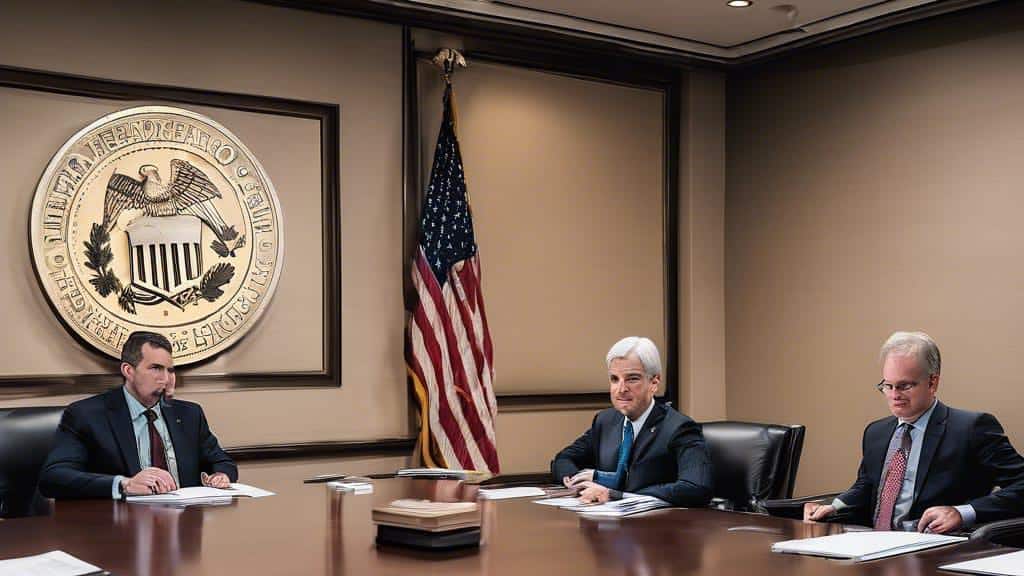

XRP is poised to benefit from a significant shift in U.S. regulatory policy as the Federal Reserve brings crypto oversight into its standard supervisory framework, making it a historic turning point for banks engaged in digital asset operations.
XRP is poised to benefit from a significant shift in U.S. regulatory policy as the Federal Reserve brings crypto oversight into its standard supervisory framework, marking a historic turning point for banks engaged in digital asset operations. This integration may further cement Ripple’s long-term aspirations to embed XRP more deeply within the financial sector.
On August 15, the Federal Reserve announced it would discontinue its Novel Activities Supervision Program, a dedicated monitoring initiative launched in August 2023. Initially designed to scrutinize emerging financial technologies such as cryptocurrencies, distributed ledger systems, and complex partnerships between banks and fintech firms, the program aimed to assess potential risks to financial stability. This strategic rollback eliminates redundant scrutiny and instead channels these assessments into the Fed’s general supervisory practices.
This move signals growing institutional trust in the emerging crypto ecosystem. The Fed stated that it has gained crucial insights into crypto operations and associated risks since the launch of the program. With these insights, it now feels confident enough to rely on existing supervisory structures, ending the extra scrutiny that had previously singled out crypto banking activities.
According to the Federal Reserve’s official statement, the results of the now-sunset program will directly inform its broader regulatory efforts, and the 2023 supervisory letter initiating the program has been officially rescinded. This regulatory normalization benefits digital asset firms like Ripple, which have long pushed for cohesive and equitable regulatory treatment for blockchain-based financial products such as XRP.
The regulatory shift aligns the Federal Reserve’s position with that of the Federal Deposit Insurance Corporation (FDIC) and the Office of the Comptroller of the Currency (OCC), both of which have also softened their stance on cryptocurrency protocols in recent months. On June 23, the Fed eliminated “reputational risk” assessment from its supervisory handbook — a term often criticized for enabling discretionary denial of banking services to blockchain-focused firms.
In practical terms, these changes could foster new growth opportunities for institutional XRP adoption, especially in the custody and settlement space. This aligns with a broader movement toward standardized operational definitions. A joint announcement from the Fed, FDIC, and OCC issued earlier this year outlined expectations for banks offering crypto custody services. It emphasized the importance of securing private keys and ensuring that custodial control of digital assets remains exclusively with banking providers.
Jerome Powell, in an April speech, hinted at this transformation, underlining the Fed’s support for innovation within the bounds of existing law. He also advocated for Congressional action to develop comprehensive stablecoin regulations. Powell suggested the Fed would not inhibit lawful collaboration between banks and digital asset firms — a message that resonates with Ripple’s long-standing regulatory advocacy.
Ripple, which has been focused on building cross-border payment systems with XRP at their core, now finds itself in a more favorable regulatory climate. The removal of extra scrutiny could reduce hurdles for U.S. banks to engage with RippleNet, a crucial infrastructure component for seamless, cost-effective international transfers powered by XRP.
This loosening of oversight doesn’t equate to a lack of regulation. Instead, it reflects a nuanced approach that balances risk management with innovation — a policy stance that Ripple and many in the XRP community have consistently championed. With the regulatory fog clearing, banks and financial institutions may now feel more comfortable exploring partnerships involving blockchain solutions like those Ripple offers.
Related: XRP Price: $12M Max Pain for Bears
The end of the Fed’s specialized oversight program represents a maturation of U.S. crypto policy. As the institutional understanding of blockchain technologies deepens, blanket skepticism is giving way to targeted, evidence-based regulation. For XRP and its ecosystem stakeholders, this evolution could catalyze fresh adoption cycles and reinforce the token’s utility in the global financial infrastructure.
Quick Summary
XRP is poised to benefit from a significant shift in U.S. regulatory policy as the Federal Reserve brings crypto oversight into its standard supervisory framework, marking a historic turning point for banks engaged in digital asset operations. This integration may further cement Ripple’s long-term aspirations to embed XRP more deeply within the financial sector.
Source
Information sourced from official Ripple publications, institutional research, regulatory documentation and reputable crypto news outlets.
Author
Ripple Van Winkle is a cryptocurrency analyst and founder of XRP Right Now. He has been active in the crypto space for over 8 years and has generated more than 25 million views across YouTube covering XRP daily.
Editorial Note
Opinions are the author's alone and for informational purposes only. This publication does not provide investment advice.

