







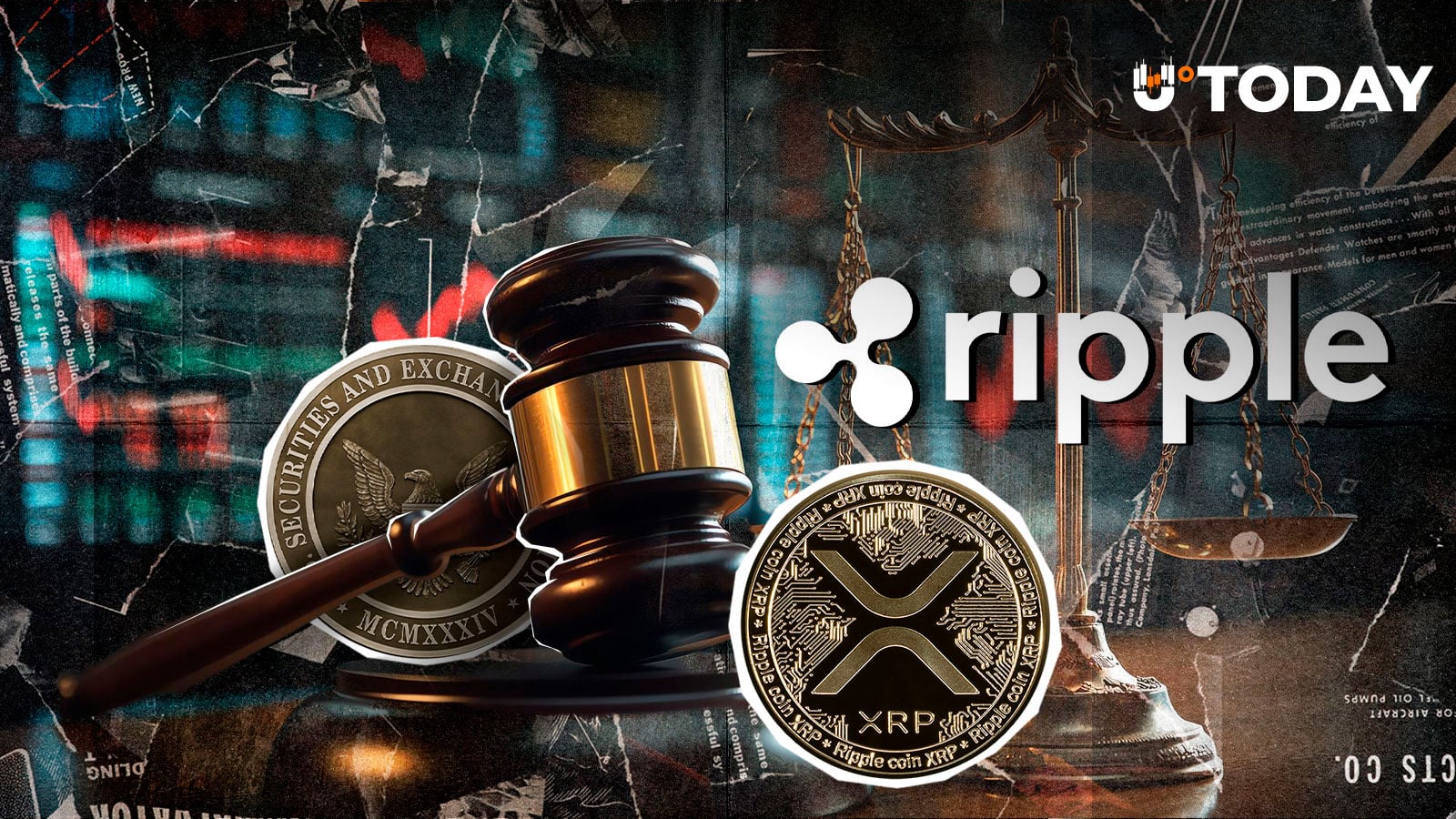
The five-year legal battle between Ripple and the SEC has officially concluded, removing a significant overhang for XRP. The final resolution, including the dismissal of appeals, provides regulatory clarity that may encourage institutional investment.
What to Know:
- The five-year legal battle between Ripple and the SEC has officially concluded, removing a significant overhang for XRP.
- The final resolution, including the dismissal of appeals, provides regulatory clarity that may encourage institutional investment.
- Despite the legal challenges, XRP has demonstrated resilience, with its price showing substantial appreciation since the lawsuit’s inception.
The final resolution of the SEC’s lawsuit against Ripple marks a pivotal moment for XRP and the broader digital asset market. After five years of legal uncertainty, the dismissal of all appeals removes a major obstacle that has likely suppressed institutional interest and liquidity. This development arrives amid growing regulatory scrutiny of the crypto space and increasing demand for clear frameworks.
Background of the SEC vs. Ripple Lawsuit
On December 22, 2020, the SEC initiated legal action against Ripple, alleging that the company’s sales of XRP constituted an unregistered securities offering. The core of the SEC’s argument rested on the Howey test, a legal precedent used to determine whether an asset qualifies as a security. Ripple countered that XRP’s decentralized nature and secondary market trading did not meet the criteria for a security. The lawsuit quickly became a focal point for the crypto industry, with numerous advocacy groups rallying behind Ripple, underscoring the case’s broader implications for digital asset regulation.
Key Court Rulings and Outcomes
In July 2023, Judge Analisa Torres delivered a split decision, ruling that XRP was not inherently a security but that certain institutional sales by Ripple did violate securities laws. While the industry largely viewed this as a victory, the SEC pursued further penalties. Ultimately, the court denied the SEC’s request for disgorgement of profits, deeming that the case lacked allegations of fraud. Ripple was instead required to pay $125 million in civil penalties. The final resolution came with the dismissal of all appeals, effectively ending the legal saga and providing much-needed clarity.
Market Impact and Price Performance
Despite the legal headwinds, XRP has shown remarkable resilience. Since the initial filing of the SEC lawsuit in December 2020, XRP has increased over 800% from its low of $0.22, currently trading around $2.04. This price appreciation suggests that market participants have maintained confidence in XRP’s long-term potential, even amidst regulatory uncertainty. The conclusion of the lawsuit may remove a significant overhang, potentially attracting new investment and driving further price appreciation as institutional investors become more comfortable with the regulatory landscape.
Implications for Institutional Adoption
The resolution of the Ripple case has significant implications for institutional adoption of digital assets. Regulatory clarity is crucial for institutions, which require well-defined rules to allocate capital to the crypto space. With the legal cloud over XRP now lifted, institutional investors may be more inclined to explore opportunities involving XRP and Ripple’s technology. This could lead to increased liquidity, tighter spreads, and greater market efficiency, further legitimizing XRP as an asset class.
Broader Regulatory Landscape
The Ripple case also sets a precedent for how other digital assets may be treated under securities laws. While the ruling is specific to XRP, it provides a framework for analyzing whether other cryptocurrencies should be classified as securities. This clarity is essential for the industry as a whole, as it helps projects and exchanges navigate the complex regulatory environment. It is worth noting that regulatory scrutiny of digital assets is likely to persist, and market participants should remain vigilant about evolving legal standards.
Future Outlook for XRP
Looking ahead, XRP’s future appears brighter now that the legal battle with the SEC is behind it. The company can now focus on expanding its business operations and forging new partnerships without the distraction of ongoing litigation. Increased regulatory clarity may also pave the way for new use cases for XRP, particularly in the realm of cross-border payments and institutional finance. While challenges remain, the resolution of the SEC case marks a significant step forward for XRP and the broader digital asset market.
The final resolution of the SEC lawsuit against Ripple represents a landmark event for the cryptocurrency industry. The dismissal of all appeals removes a major source of uncertainty, potentially unlocking new opportunities for institutional investment and market growth. While the regulatory landscape remains complex, this outcome provides a clearer path forward for XRP and sets a precedent for future regulatory considerations of digital assets.
Related: Expert Reveals Reasons for Buying XRP
Source: Original article
Quick Summary
The five-year legal battle between Ripple and the SEC has officially concluded, removing a significant overhang for XRP. The final resolution, including the dismissal of appeals, provides regulatory clarity that may encourage institutional investment.
Source
Information sourced from official Ripple publications, institutional research, regulatory documentation and reputable crypto news outlets.
Author
Ripple Van Winkle is a cryptocurrency analyst and founder of XRP Right Now. He has been active in the crypto space for over 8 years and has generated more than 25 million views across YouTube covering XRP daily.
Editorial Note
Opinions are the author's alone and for informational purposes only. This publication does not provide investment advice.

