







Ripple CEO Brad Garlinghouse says recent acquisitions are strategically strengthening the XRP ecosystem. Speaking at The Economic Club of New York, he stressed long-term growth for XRP and the XRP Ledger.
What to Know:
- Ripple CEO Brad Garlinghouse says recent acquisitions are strategically strengthening the XRP ecosystem.
- Speaking at The Economic Club of New York, he stressed long-term growth for XRP and the XRP Ledger.
- Garlinghouse said Ripple’s bank-first strategy positioned it as key infrastructure for global cross-border payments.
- He highlighted RLUSD’s role in boosting on-chain liquidity, supporting developers and institutions building on XRPL.
Ripple CEO Brad Garlinghouse recently shared insights into the company’s strategic vision, particularly emphasizing how recent acquisitions are designed to bolster the XRP ecosystem. Speaking at The Economic Club of New York’s Digital Payments Series Luncheon, Garlinghouse articulated a clear focus on long-term growth and utility for XRP and the XRP Ledger (XRPL). His remarks underscore Ripple’s commitment to enhancing the fundamental infrastructure supporting its digital asset solutions. For institutional investors, understanding these strategic moves is crucial for assessing the long-term viability and potential of XRP.
Ripple Strategic Acquisitions
In 2025, Ripple aggressively expanded through acquisitions, including prime broker Hidden Road for $1.25 billion to deepen its institutional services and treasury software provider GTreasury to enhance its corporate finance tools.
It also acquired custody firms Metaco and Palisade to strengthen institutional asset security, alongside stablecoin platform Rail to expand its on-chain payments and liquidity capabilities. According to Ripple’s CEO, these efforts seek to strengthen XRP’s appeal.
Ripple’s Bank-First Strategy
During the discussion, Garlinghouse reflected on Ripple’s early decision to target banks as primary customers. At a time when much of the crypto industry was positioning itself against traditional finance, Ripple took what he described as a contrarian and controversial approach.
From the beginning, Ripple focused on financial institutions as distribution channels for blockchain-based payments. The logic was that banks remain the primary touchpoint for billions of people who interact with financial services. If blockchain technology is to reach the largest audience, integration with banks is essential.
That strategy may have drawn criticism early on, but it has since positioned Ripple as a key infrastructure provider in cross-border payments.
Regulatory Clarity Still Key
Garlinghouse also stressed the importance of regulatory clarity. Clear definitions around what qualifies as a crypto asset, currency, security, or commodity would allow large financial institutions to engage more confidently with digital assets.
He suggested that clearer rules would unlock further institutional participation, accelerating adoption across global markets.
Crypto Winter as a Reset
While acknowledging that the crypto market has experienced a crypto winter, Garlinghouse described the downturn as a constructive reset.
In his view, market corrections force companies to sharpen their focus, refine their value propositions, and prioritize real-world problem-solving. Historically, he noted, each downturn has ultimately left the industry stronger and more mature.
RLUSD and Liquidity on XRP Ledger
Notably, Garlinghouse highlighted RLUSD as part of Ripple’s broader ecosystem strategy. By increasing liquidity on-chain, RLUSD enhances efficiency and usability across the XRP Ledger.
More liquidity, he explained, supports developers building decentralized applications and institutions leveraging blockchain for payments and settlement.
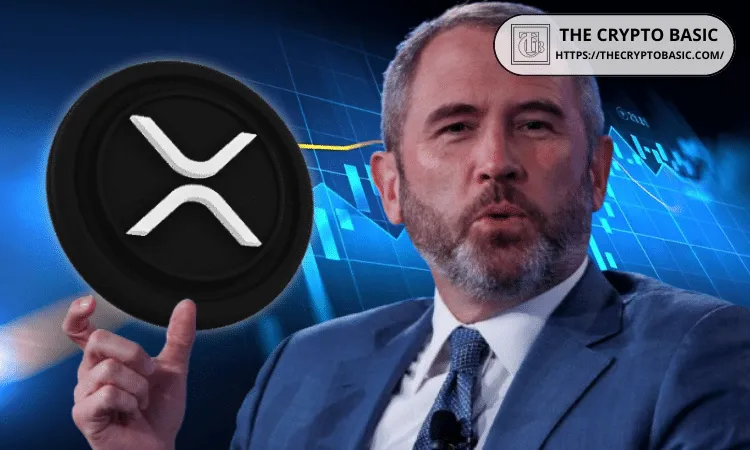
Ultimately, as Ripple continues to expand through strategic acquisitions and infrastructure upgrades, the company focuses on reinforcing XRP’s role in institutional finance while it strengthens the capabilities of the XRP Ledger ecosystem.
Ripple’s strategic focus on enhancing the XRP ecosystem, particularly through targeted acquisitions and a bank-first approach, signals a long-term vision aimed at institutional integration. The emphasis on regulatory clarity and on-chain liquidity further solidifies XRP’s potential as a key player in the evolving landscape of digital finance. While market conditions and regulatory developments remain critical factors, Ripple’s proactive measures may position XRP favorably for future growth.
Related: Crypto Liquidity Signals Turn Cautious
Source: Original article
Quick Summary
Ripple CEO Brad Garlinghouse says recent acquisitions are strategically strengthening the XRP ecosystem. Speaking at The Economic Club of New York, he stressed long-term growth for XRP and the XRP Ledger. Garlinghouse said Ripple’s bank-first strategy positioned it as key infrastructure for global cross-border payments.
Source
Information sourced from official Ripple publications, institutional research, regulatory documentation and reputable crypto news outlets.
Author
Ripple Van Winkle is a cryptocurrency analyst and founder of XRP Right Now. He has been active in the crypto space for over 8 years and has generated more than 25 million views across YouTube covering XRP daily.
Editorial Note
Opinions are the author's alone and for informational purposes only. This publication does not provide investment advice.

