







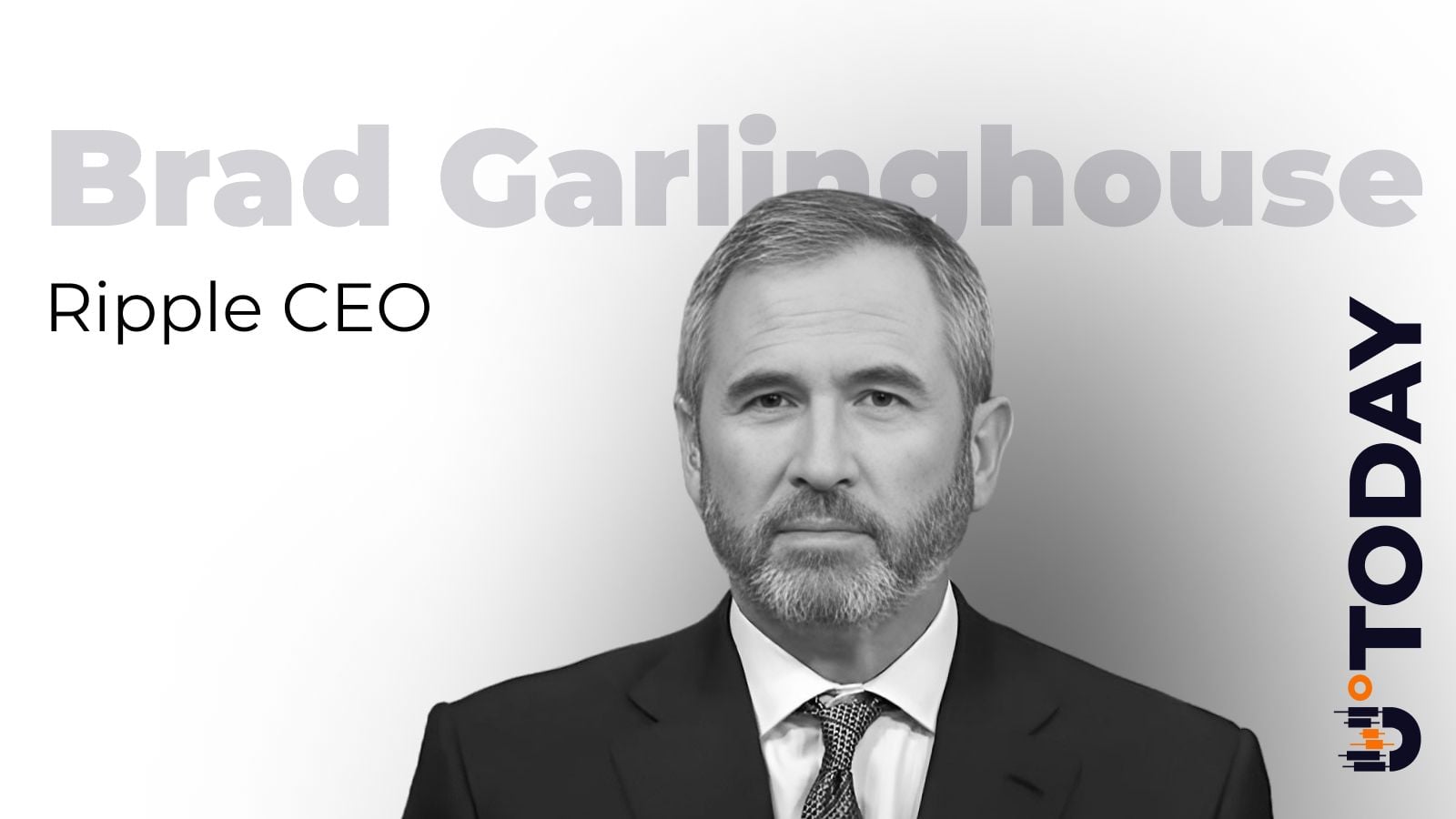
Ripple CEO Brad Garlinghouse expresses confidence in Ripple’s direction for 2026, hinting at significant partnerships and acquisitions. Garlinghouse emphasizes XRP’s central role in Ripple’s vision for cross-border payments and its commitment to developing real-world use cases.
What to Know:
- Ripple CEO Brad Garlinghouse expresses confidence in Ripple’s direction for 2026, hinting at significant partnerships and acquisitions.
- Garlinghouse emphasizes XRP’s central role in Ripple’s vision for cross-border payments and its commitment to developing real-world use cases.
- Ripple’s regulatory foothold strengthens with key developments in 2025, including approval of an EMI license and Cryptoasset Registration from the U.K.’s FCA.
Ripple, the company closely associated with XRP, is gearing up for what CEO Brad Garlinghouse anticipates will be a consequential 2026. Against a backdrop of evolving regulatory clarity, particularly in the UK, and strategic acquisitions, Ripple’s focus remains on cross-border payments and expanding the utility of XRP. For institutional investors, these developments signal potential shifts in market structure and liquidity dynamics, meriting close observation.
Strategic Acquisitions and Expansion
Garlinghouse highlighted Ripple Prime and GTreasury as pivotal acquisitions in 2025, expanding Ripple’s capacity to realize its long-term vision for cross-border payments. Such acquisitions are not merely about adding revenue streams; they represent a strategic move to consolidate market share and integrate complementary technologies. We’ve seen similar strategies play out in traditional finance, where established players acquire fintech firms to accelerate innovation and expand their service offerings. The success of these integrations will be key to Ripple’s ability to compete effectively.
XRP’s Central Role
Garlinghouse reiterated that XRP remains central to Ripple’s vision, emphasizing the company’s commitment to developing real-world use cases for XRP and RLUSD. This commitment is crucial for XRP’s long-term viability, as regulatory scrutiny and market sentiment increasingly favor assets with clear utility. The challenge, however, lies in demonstrating XRP’s superiority over existing cross-border payment solutions and attracting sufficient liquidity to support institutional-sized transactions. Without tangible use cases, XRP risks being relegated to speculative trading.
Regulatory Landscape
Ripple’s recent regulatory win in the UK, securing both an EMI license and Cryptoasset Registration from the FCA, marks a significant step forward. This regulatory clarity provides a foundation for institutional engagement and could attract further investment into the XRP ecosystem. However, it’s important to remember that regulatory landscapes are not static. The ongoing legal battles in the US and evolving regulations in other jurisdictions could still pose challenges. Navigating this complex web of regulations will be critical for Ripple’s continued growth.
Licensing Portfolio
According to Garlinghouse, Ripple now holds one of the most comprehensive licensing portfolios in the industry, positioning it to capitalize on the growing global demand for regulated crypto infrastructure. A comprehensive licensing portfolio is a valuable asset, but it’s not a guarantee of success. Execution is key. Ripple must leverage these licenses to build robust, compliant solutions that meet the needs of institutional clients. Otherwise, the licenses risk becoming nothing more than expensive pieces of paper.
Market Impact and Future Outlook
Ripple’s developments in 2025 and its plans for 2026 signal a continued push towards mainstream adoption of XRP and blockchain-based payment solutions. The company’s focus on regulatory compliance, strategic acquisitions, and real-world use cases is a positive sign for institutional investors. However, challenges remain, including regulatory uncertainty in some jurisdictions and the need to demonstrate XRP’s superiority over existing payment systems. Ultimately, Ripple’s success will depend on its ability to navigate these challenges and deliver tangible value to its clients.
In conclusion, Ripple’s strategic focus on regulatory compliance and expanding the utility of XRP positions it as a key player in the evolving landscape of cross-border payments. While challenges remain, the company’s progress in securing regulatory approvals and building strategic partnerships suggests a positive outlook for 2026 and beyond. Institutional investors should closely monitor Ripple’s developments, as they could have significant implications for market structure and liquidity in the digital asset space.
Related: XRP ETF Flows Show End of Ripple Era
Source: Original article
Quick Summary
Ripple CEO Brad Garlinghouse expresses confidence in Ripple’s direction for 2026, hinting at significant partnerships and acquisitions. Garlinghouse emphasizes XRP’s central role in Ripple’s vision for cross-border payments and its commitment to developing real-world use cases.
Source
Information sourced from official Ripple publications, institutional research, regulatory documentation and reputable crypto news outlets.
Author
Ripple Van Winkle is a cryptocurrency analyst and founder of XRP Right Now. He has been active in the crypto space for over 8 years and has generated more than 25 million views across YouTube covering XRP daily.
Editorial Note
Opinions are the author's alone and for informational purposes only. This publication does not provide investment advice.

